LASIK / Femto-LASIK
A thin corneal flap is created, using a femtosecond laser in Femto-LASIK. An excimer laser reshapes the cornea beneath it and the flap is repositioned.
Often rapid recovery; discuss flap-related risks and dry eye.
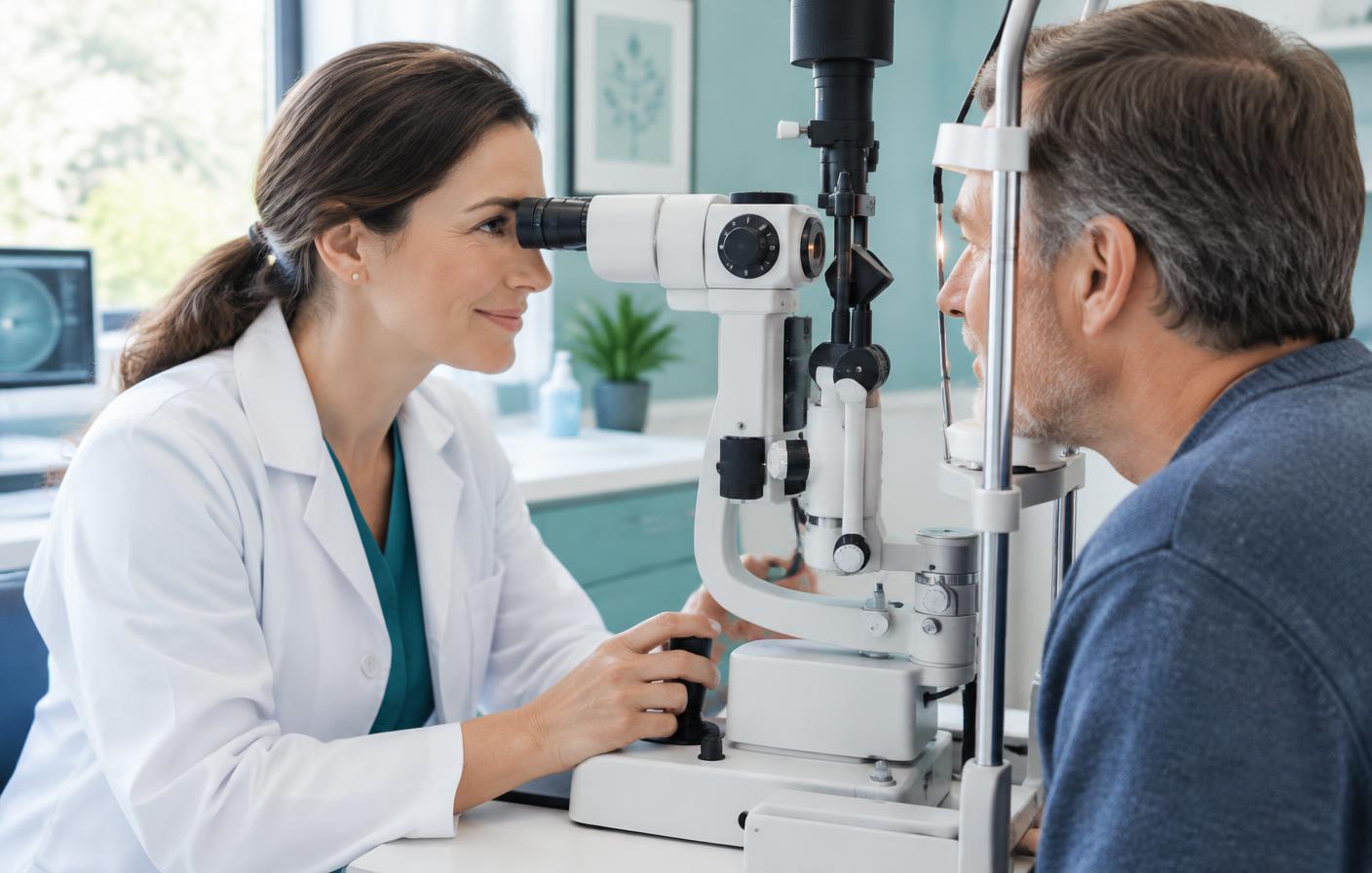
Understand your options and prepare for an ophthalmology consultation, with clear information about before, during and after laser vision correction.
General information, not a diagnosis. Only an ophthalmologist can assess suitability and recommend a procedure. Careline arranges appointments, does not provide treatment and does not collect your medical records.
Refractive surgery reshapes the cornea to change how light focuses on the retina. It aims to reduce reliance on glasses or contact lenses, not to guarantee perfect vision.
Myopia affects distance vision; hyperopia can affect near and distance vision; astigmatism causes blurred or distorted vision. Suitability depends on the prescription and the eye. Laser surgery does not prevent age-related presbyopia: reading glasses may still be needed.
A thin corneal flap is created, using a femtosecond laser in Femto-LASIK. An excimer laser reshapes the cornea beneath it and the flap is repositioned.
Often rapid recovery; discuss flap-related risks and dry eye.
Surface treatment without a flap. The epithelium is removed before excimer laser reshaping; in TransPRK the laser also removes the surface layer.
Slower healing and often more initial discomfort; suitability depends on corneal assessment.
A femtosecond laser creates a small lenticule inside the cornea, removed through a small incision without a LASIK flap. Indications depend on the prescription and device.
Follow-up remains essential; no technique suits every visual condition.
Candidates are generally adults with a stable prescription. Assessment checks refraction, corneal shape and thickness, the ocular surface, dry eye and overall eye health. Corneal mapping helps identify irregularity or keratoconus.
Thin or irregular corneas, significant dry eye, infection, some eye or general health conditions and an unstable prescription may rule out or postpone surgery. Pregnancy, breastfeeding and medications may affect the decision: discuss these with the doctor.
Your expectations, work, contact sports, night driving and near-vision needs matter. Ask about realistic benefits, alternatives and follow-up. The newest technique is not automatically the best for your eye.
Your clinic tells you when to stop wearing contact lenses before measurements and surgery; timing depends on lens type. Share your medical history and medicines directly with the clinician, not with Careline. Do not change treatment without medical advice.
Read the information and consent documents and ask questions. Arrange someone to accompany you and take you home; do not plan to drive after surgery. Follow your clinic’s instructions about makeup, products around the eyes, meals and medicines.
If travelling, arrange local checks, an emergency contact and follow-up at home. Your surgeon must approve your travel schedule; the booking service cannot provide medical clearance.
The team checks identity, the eye and the treatment plan. Anaesthetic drops are usually used and a device keeps the eyelids open. You generally remain awake while the team guides you; you may notice lights, pressure or discomfort.
LASIK involves a flap and reshaping beneath it; PRK treats the surface; SMILE removes a lenticule through a small incision. Time at the clinic is longer than laser treatment itself. Your surgeon explains the individual procedure.
Patients usually go home the same day with instructions after a check. Vision may be blurred and eyes sensitive. There is no universal promise of immediate results or a painless recovery.
Use prescribed drops exactly as instructed, wear protection if recommended and do not rub your eyes. Wash your hands before using drops and do not add unapproved products. Attend all follow-up appointments, even if vision seems good.
Functional recovery is often quick after LASIK, with an early check. PRK/TransPRK requires surface healing, so pain, watering and light sensitivity may be more noticeable initially. A bandage contact lens may be fitted and must be managed by the clinic. Vision can also fluctuate initially after SMILE.
Dryness, halos, glare and fluctuations can persist during recovery. Stabilisation varies by technique and person. Your surgeon determines when driving, screens, work, sport, makeup and swimming are safe; there is no universal timetable.
Possible effects include dry eye, night glare and halos, fluctuating vision, light sensitivity and residual prescription. Glasses, lenses or further surgery may still be needed; additional treatment is not always possible or appropriate.
Less common complications include infection, inflammation, abnormal healing, haze after surface treatment, LASIK flap problems and corneal weakening (ectasia). Lasting loss of visual quality is possible. Careful assessment and follow-up reduce, but do not eliminate, risk.
Laser surgery does not prevent other eye diseases or stop ageing. Glasses and contacts remain alternatives; implants may be considered in some cases with their own risks. Choosing not to have surgery is valid.
Medical explanations and an animation to help visualise the process. The final video shows real surgery and may be unsettling.
Français
Santé Atlantique
Watch on YouTubePlaying loads an external YouTube player and shares technical information with YouTube. No player loads before your choice.
English
EyeSmart · American Academy of Ophthalmology
Watch on YouTubePlaying loads an external YouTube player and shares technical information with YouTube. No player loads before your choice.
English · Real procedure · medical imagery
London Vision Clinic
Watch on YouTubePlaying loads an external YouTube player and shares technical information with YouTube. No player loads before your choice.
Sources consulted on 18 October 2026. Your surgeon’s instructions take precedence over this guide.
Request an appointment